

Why Serious Businesses Are Quietly Moving Away From No-Code Tools
Why growing organisations are replacing no-code tools with bespoke AI and automation systems.
Feb 27, 2026

Why Serious Businesses Are Quietly Moving Away From No-Code Tools
Why growing organisations are replacing no-code tools with bespoke AI and automation systems.
Feb 27, 2026
Why Serious Businesses Are Quietly Moving Away From No-Code Tools
Why growing organisations are replacing no-code tools with bespoke AI and automation systems.
Feb 27, 2026
No-code platforms promised speed, simplicity and flexibility.
For startups and small teams, they often deliver exactly that.
But serious businesses operating at scale are quietly moving away from no-code tools.
The Problem With Generic Infrastructure
No-code tools are designed for the masses.
They rely on:
Pre-built templates
Standardised logic blocks
Limited integration capability
Shared infrastructure
This works until operational complexity increases.
At scale, generic systems introduce friction. Workflows become fragile. Processes rely on patches. Performance slows.
Customisation Has Limits
While marketed as flexible, no-code platforms still operate within rigid boundaries.
You cannot rewrite their architecture.
You cannot optimise their backend performance.
You cannot own their underlying codebase.
For growing businesses, this becomes a strategic limitation.
Subscription Dependence
No-code tools operate on recurring subscription models.
As usage increases:
Costs increase
Feature limitations become apparent
Vendor dependency grows
You are renting infrastructure, not building it.
Why Bespoke Systems Win Long-Term
Bespoke AI and automation systems are engineered specifically for your organisation.
They provide:
Full ownership
Custom architecture
Scalable performance
Integration freedom
Long-term cost control
No-code tools are excellent for experimentation.
Serious infrastructure requires engineering.
No-code platforms promised speed, simplicity and flexibility.
For startups and small teams, they often deliver exactly that.
But serious businesses operating at scale are quietly moving away from no-code tools.
The Problem With Generic Infrastructure
No-code tools are designed for the masses.
They rely on:
Pre-built templates
Standardised logic blocks
Limited integration capability
Shared infrastructure
This works until operational complexity increases.
At scale, generic systems introduce friction. Workflows become fragile. Processes rely on patches. Performance slows.
Customisation Has Limits
While marketed as flexible, no-code platforms still operate within rigid boundaries.
You cannot rewrite their architecture.
You cannot optimise their backend performance.
You cannot own their underlying codebase.
For growing businesses, this becomes a strategic limitation.
Subscription Dependence
No-code tools operate on recurring subscription models.
As usage increases:
Costs increase
Feature limitations become apparent
Vendor dependency grows
You are renting infrastructure, not building it.
Why Bespoke Systems Win Long-Term
Bespoke AI and automation systems are engineered specifically for your organisation.
They provide:
Full ownership
Custom architecture
Scalable performance
Integration freedom
Long-term cost control
No-code tools are excellent for experimentation.
Serious infrastructure requires engineering.
No-code platforms promised speed, simplicity and flexibility.
For startups and small teams, they often deliver exactly that.
But serious businesses operating at scale are quietly moving away from no-code tools.
The Problem With Generic Infrastructure
No-code tools are designed for the masses.
They rely on:
Pre-built templates
Standardised logic blocks
Limited integration capability
Shared infrastructure
This works until operational complexity increases.
At scale, generic systems introduce friction. Workflows become fragile. Processes rely on patches. Performance slows.
Customisation Has Limits
While marketed as flexible, no-code platforms still operate within rigid boundaries.
You cannot rewrite their architecture.
You cannot optimise their backend performance.
You cannot own their underlying codebase.
For growing businesses, this becomes a strategic limitation.
Subscription Dependence
No-code tools operate on recurring subscription models.
As usage increases:
Costs increase
Feature limitations become apparent
Vendor dependency grows
You are renting infrastructure, not building it.
Why Bespoke Systems Win Long-Term
Bespoke AI and automation systems are engineered specifically for your organisation.
They provide:
Full ownership
Custom architecture
Scalable performance
Integration freedom
Long-term cost control
No-code tools are excellent for experimentation.
Serious infrastructure requires engineering.

Why Most AI Projects Fail - And How To Do It Properly
Understand why AI projects fail and how structured consultancy and bespoke development prevent it.

Investing in Bespoke Development: Can This Actually Help My Business?
Is bespoke AI worth the investment? Explore costs, time savings and long-term ROI for growing businesses.
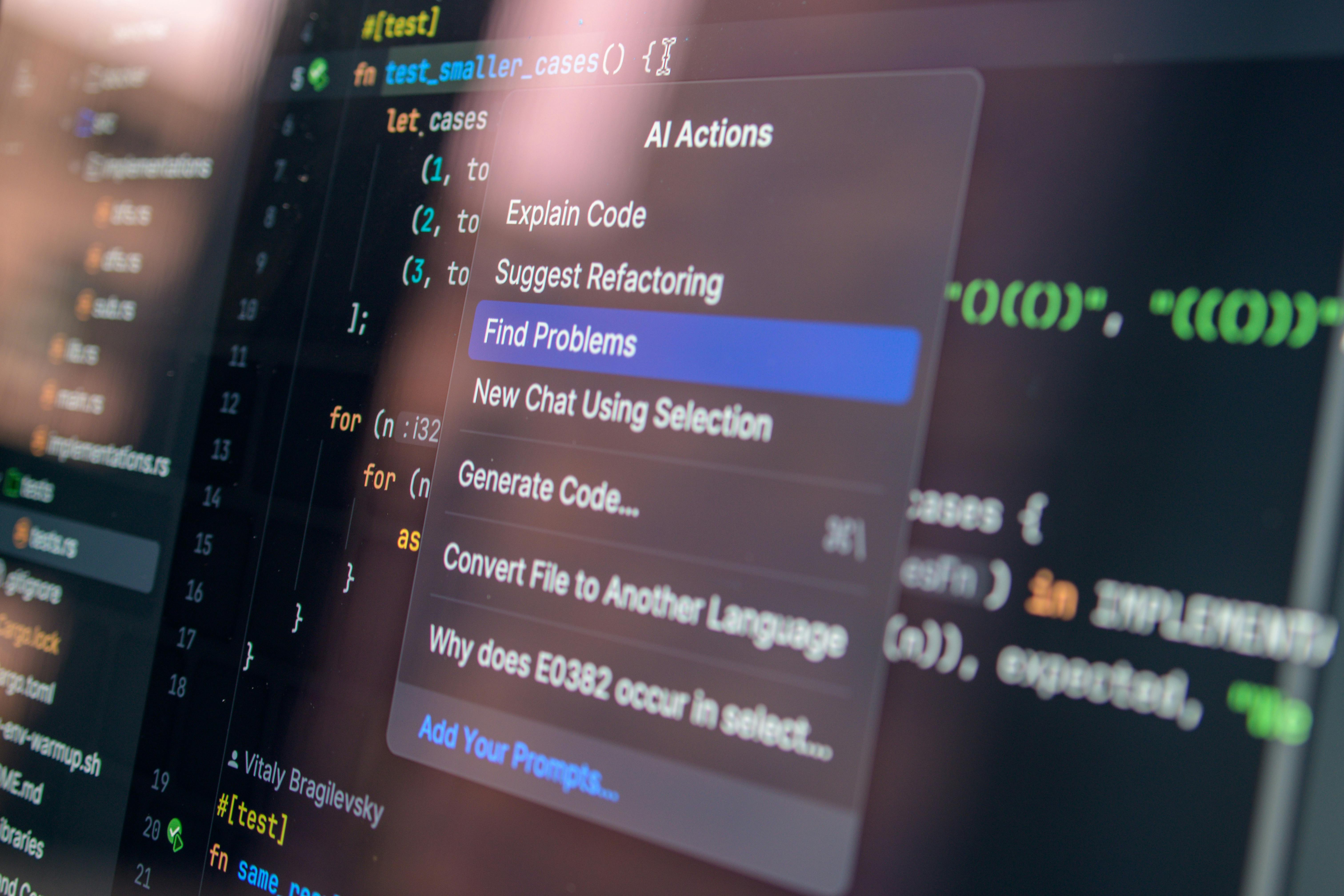
What It Actually Takes to Build an Enterprise-Grade AI Platform
A breakdown of what is required to design and deploy a secure, scalable AI platform.
Why Most AI Projects Fail - And How To Do It Properly
Understand why AI projects fail and how structured consultancy and bespoke development prevent it.
Investing in Bespoke Development: Can This Actually Help My Business?
Is bespoke AI worth the investment? Explore costs, time savings and long-term ROI for growing businesses.
What It Actually Takes to Build an Enterprise-Grade AI Platform
A breakdown of what is required to design and deploy a secure, scalable AI platform.
Why Most AI Projects Fail - And How To Do It Properly
Understand why AI projects fail and how structured consultancy and bespoke development prevent it.
Investing in Bespoke Development: Can This Actually Help My Business?
Is bespoke AI worth the investment? Explore costs, time savings and long-term ROI for growing businesses.
Enhance efficiency, reduce costs, and optimise workflows through tailored automation.
Enhance efficiency, reduce costs, and optimise workflows through tailored automation.
Enhance efficiency, reduce costs, and optimise workflows through tailored automation.